Stock Up Smart: Your Friendly Guide to Buying Bulk Ammo Online
Running low on ammunition right when you need to hit the range is a frustrating way to end a good week. Bulk ammo solves that by letting you buy hundreds or thousands of rounds in one box, which means you can shoot as much as you want without constant reordering. Because it’s packaged in large quantities, you get a lower cost per round, and the ammo works exactly the same as smaller boxes—just load your mags and go. For regular practice or plinking sessions, it’s the simplest way to keep your shooting routine uninterrupted.
Why Buying Ammunition in Larger Quantities Saves You More Than Money
Buying bulk ammo delivers savings that extend well beyond the per-round price. The most immediate gain is logistical efficiency: fewer ordering cycles mean less time spent on shipping fees, transaction costs, and tracking deliveries. More critically, larger quantities ensure consistent lot numbers, which improves accuracy because your firearm’s point of impact remains stable across the entire stockpile. This consistency reduces wasted rounds during zeroing and practice, directly stretching your training value. Additionally, a deep reserve insulates you from temporary shortages or price spikes, letting you shoot on your own schedule rather than reacting to availability. That reliability https://specialtysportsandsupplyltd.com/ is why bulk ammo pays off in convenience and performance, not just cash. Q: How does bulk ammo save more than money? A: It saves time, ensures ballistic uniformity, and provides supply security that a box-by-box approach cannot offer.
The Real Cost-Per-Round Breakdown That Most Shooters Miss
Most shooters calculate per-round cost by dividing the shelf price by the box count, but this misses the hidden math of shipping, hazmat fees, and per-order handling charges. When you buy a single 50-round box, that $15 hazmat fee adds $0.30 to each round—a 20% markup you never see on the sticker. In bulk, the same fee spreads across 1,000 rounds, dropping to $0.015 per round. True cost-per-round includes packaging waste and wasted range trips, since a 200-round bulk purchase means you skip two separate store runs that each burn a gallon of gas. Q: What is the most overlooked part of cost-per-round? A: The amortized transaction fees—both the explicit hazmat surcharge and the implicit fuel cost of multiple purchases—which bulk buying dilutes to near zero.
How Avoiding Per-Box Markups Adds Up Over a Year of Range Time
Over a year of regular range time, the per-box markup you avoid with bulk ammo purchases becomes real, spendable cash. If you shoot 200 rounds per weekly session, that’s roughly 10,400 rounds annually. Buying those in 20-round boxes at a $2–$3 markup each means forfeiting $1,040–$1,560 to packaging and retail overhead. Instead, case lots (500–1,000 rounds) cut that per-round cost by 10–20%, so your savings accumulate with every magazine you load. Multiply that by 52 weeks, and you’ve quietly funded an extra 2–3 months of range fees or a new optic. The math works because
- you pay once for bulk shipping, not per box,
- you lock in a lower unit price across all future sessions,
- you reduce trip frequency that tempts impulse 20-box purchases between outings.
Each trip to the range simply burns through ammo you already bought at a discount, making your yearly total lower without changing a single .338 Lapua Ammo for Sale shot fired.
What Calibers and Grain Weights Are Actually Worth Stocking Up On

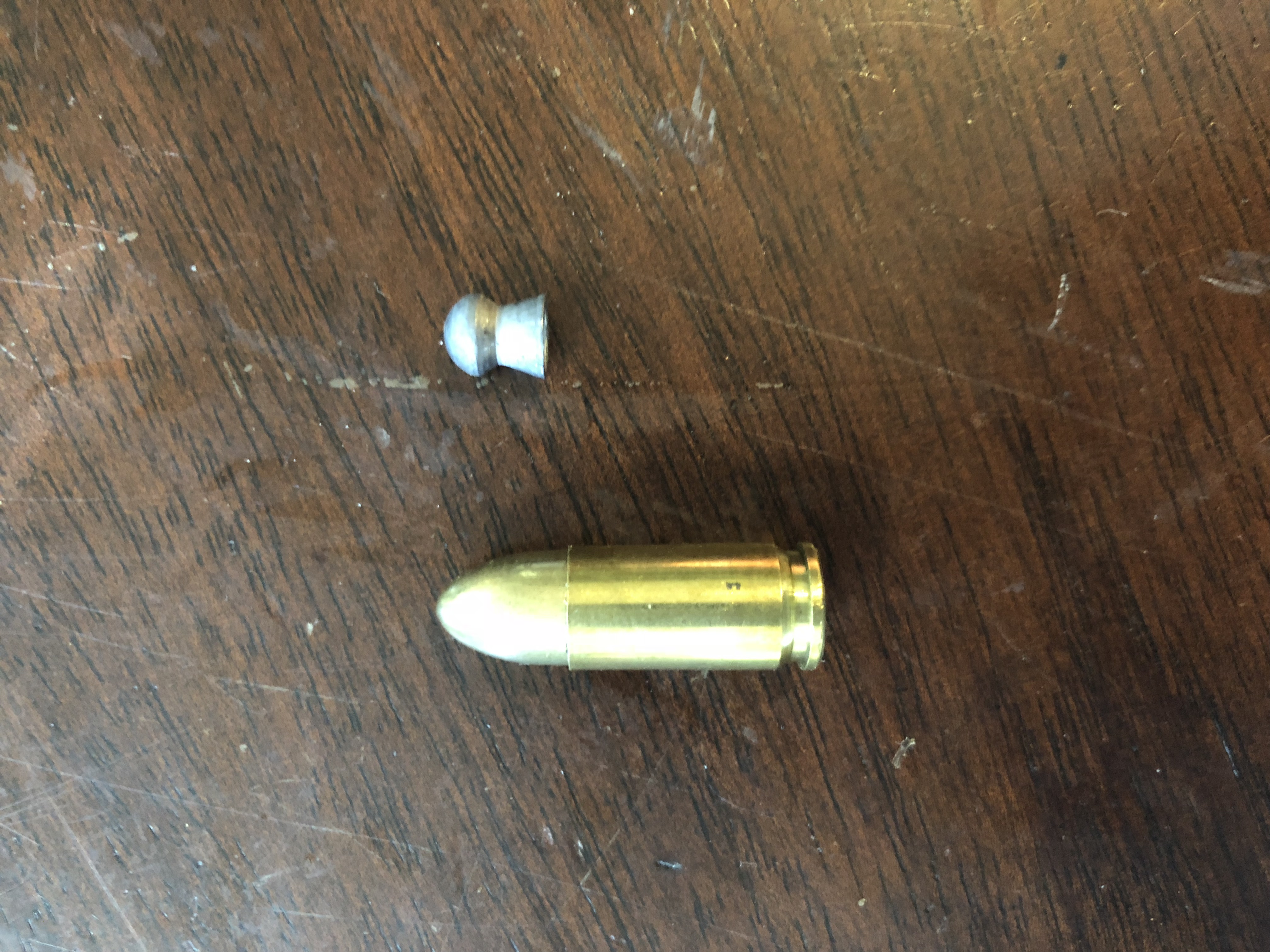
For bulk storage, the calibers that earn their shelf space are the ones you’ll actually train with and rely on under pressure. A 9mm 124-grain round strikes the perfect balance—it cycles smoothly in most pistols and delivers consistent terminal performance, making it your go-to for thousands of stored rounds. Alongside that, a 5.56 NATO in 55-grain or 62-grain will serve 6.5x57mm Mauser Ammo for Sale every rifle scenario from plinking to defense, and the lighter grain keeps recoil flat for faster follow-up shots. For hunting or hard-use revolvers, a .308 Win in 147- or 150-grain is worth heavy investment, as it handles both close brush and longer fields without fuss. Yet, if you’re hoarding 180-grain 9mm or exotic subsonic loads, you’re burning cash on specialized stuff that won’t feed or jam in your everyday guns. Stick to these proven weights, and your bulk ammo becomes a working reserve, not a museum of oddities. Choose common calibers with standard grain weights for reliability. Stocking 124-grain 9mm and 55-grain 5.56 gives you the most versatile foundation.
Matching Your Bullet Type to Your Primary Firearm’s Purpose

Your primary firearm’s intended role dictates the bullet type you should buy in bulk. For a defensive handgun, stock federal HST or Speer Gold Dot in your carry load for reliability, but practice with cheaper full metal jacket rounds to maintain your skills without burning through premium stock. If your rifle is a precision rig, match your bulk ammunition to the exact bullet weight .32 Win Special Ammo for Sale and profile that your barrel twist rate stabilizes best, ensuring consistent ballistic coefficients. For hunting, prioritize soft-point or bonded bullets in your bulk stash, as they expand predictably on game regardless of batch. Do not mix bullet types indiscriminately; your firearm’s zero shifts with grain weight and ogive, so commit to one proven bullet design per purpose.
Full Metal Jacket vs. Hollow Points: Why Volume Changes Your Choice
When buying bulk ammo, the FMJ versus hollow point decision hinges entirely on volume. Stockpiling thousands of rounds of hollow points for practice is financially wasteful, as their expanding mechanics and premium construction offer no benefit 6.8 SPC Ammo for Sale against paper or steel. Instead, reserve hollow points for a small, defensive cache—perhaps 200 rounds per caliber—where their terminal performance justifies the cost. For the high-volume majority of your stockpile, bulk FMJ for range proficiency is the logical choice, because training volume, not projectile design, dictates shooting skill. The volume you intend to shoot fundamentally changes the calculus: high round counts demand cheap, reliable FMJs, while low round counts for self-defense demand the stopping power of hollow points. Prioritize accordingly.
How to Properly Store Large Stashes to Keep Every Shot Reliable
For bulk ammo, proper storage of large stashes begins with absolute moisture control. Use sealed, military-grade ammo cans with rubber gaskets, adding desiccant packs to each container to eliminate humidity before sealing. Keep those cans off concrete floors on wooden pallets or metal shelving, as direct ground contact wicks moisture into the primer and powder. Rotate your stock by date, using older rounds first, because even sealed ammunition degrades over a decade. Avoid extreme temperature swings; a stable, cool basement or interior closet is far better than a garage or attic. Finally, inspect a few samples from each can annually for tarnish or loose bullets, and reseal immediately if any corrosion appears. This methodical dry and stable environment is how to keep every shot reliable from a large reserve.
The Humidity and Temperature Sweet Spots for Ammo Longevity
For bulk ammo, the optimal storage environment hovers near a **stable 60–70°F** and a relative humidity of 35–50%. Exceeding 70% humidity risks corrosion on brass and primers, while below 30% can dry case lubricants and crack sealants, compromising ignition. Temperature swings above 90°F accelerate powder degradation and alter burn rates over years. Use a sealed ammo can with desiccant packs; even in humid climates, this holds the microclimate steady. However, rapid 10°F drops inside a sealed can cause condensation on cold rounds, so let containers acclimate before 6.5×55 Swedish Ammo for Sale opening. Monitor with a digital hygrometer, not guesswork.
Keep bulk ammo at 60–70°F and 35–50% RH—stable, dry, and cool—to preserve primers, powder, and case integrity for decades.
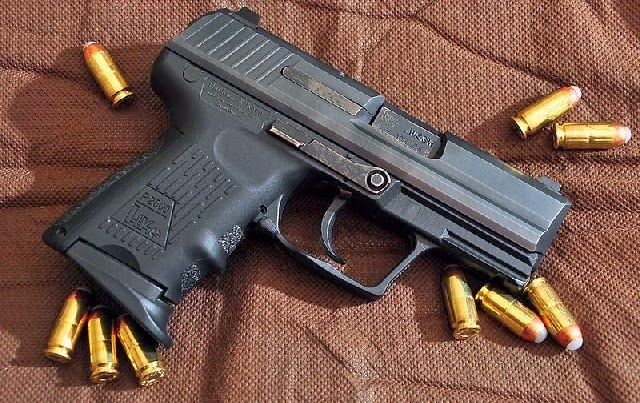
Using Ammo Cans and Desiccants Without Overcomplicating Your Routine
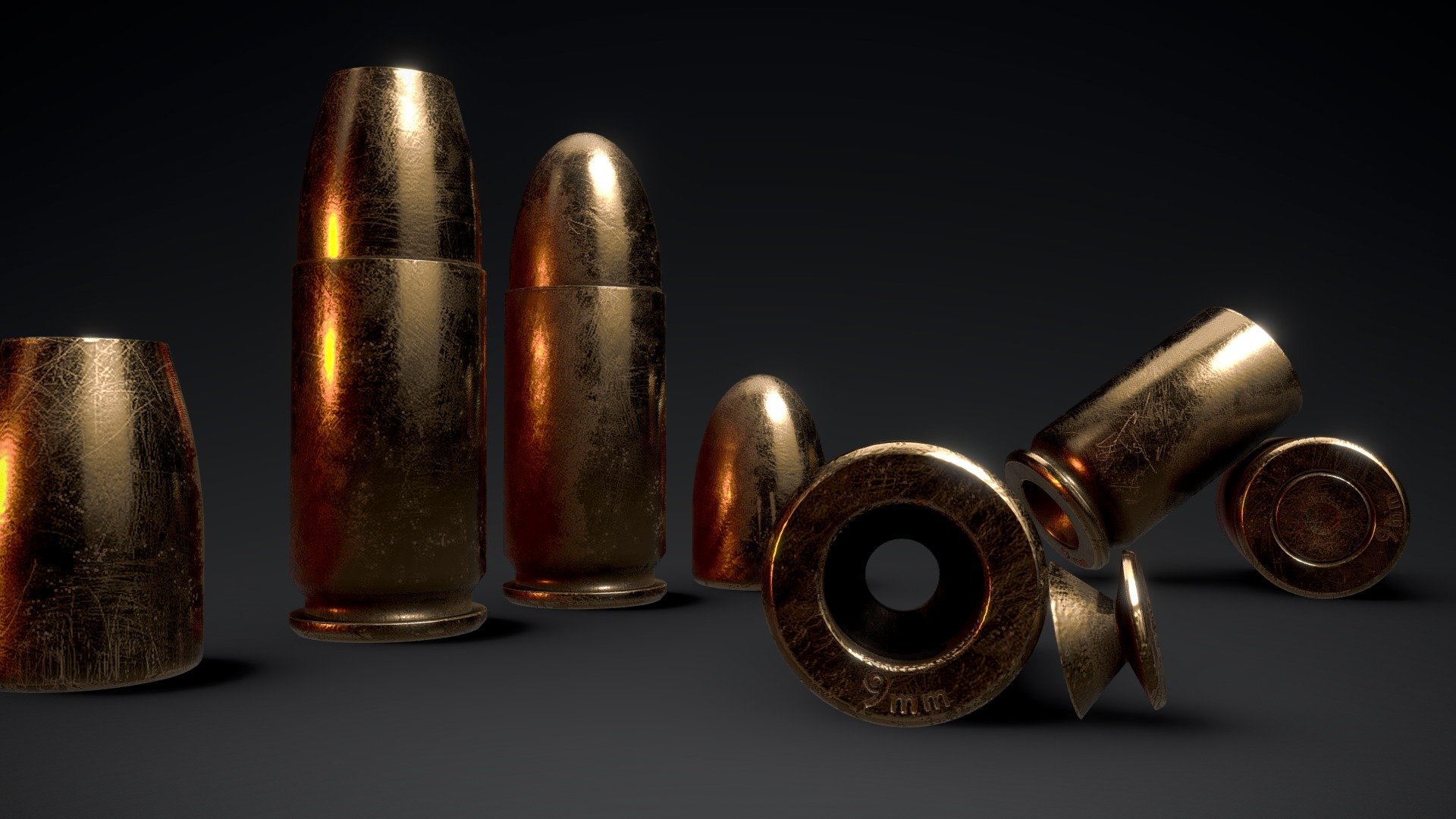
For bulk ammo, skip the vacuum sealers and silica-packet chaos. A simple routine: transfer rounds into airtight metal ammo cans with a rubber gasket, then drop in one reusable desiccant canister per 50-caliber box. That’s it. The desiccant handles humidity while .32 ACP Ammo for Sale the can blocks oxygen and light—the two primary corrosion catalysts. Recharge the desiccant in an oven every few months, but only if the can’s seal is intact; a failing gasket makes desiccant useless. Check cans annually, not weekly. Overchecking introduces humid air, defeating the purpose. This system preserves primer sensitivity and powder burn rate without weighing granules or logging moisture levels.
Q: Do I need to replace desiccants every season?
No—if your ammo can seals properly, recharge the same desiccant 3–4 times by drying it at 250°F for two hours. Replace only when it stops recharging (cracks or rusts).
How to Rotate Your Stockpile So Nothing Goes Stale or Misfires
For bulk ammo, adopt a strict first-in, first-out system, physically stacking new shipments behind older boxes so you always grab the oldest rounds first. Write the purchase date in permanent marker on every Ammunition for Sale case, and when you dip into a box for a range session, immediately refill it from the oldest bulk supply, not the newest. Rotate your primers and powder similarly—these components degrade faster than loaded cartridges, so use them within two years. Every six months, pull a random sample from the deepest part of your stockpile and fire it to verify ignition and pressure; if you see hangfires or weak recoil, that lot is failing. Always store bulk ammo in a cool, dry, airtight environment—heat and humidity accelerate propellant breakdown, causing misfires or squibs. Shoot through your oldest caliber first each quarter, regardless of whether it’s your favorite, to guarantee a constant, fresh turnover. *When in doubt about a batch’s reliability, pull the bullets and reload the powder—it’s cheaper than a ruined gun and safer than trusting questionable rounds.*
First-In-First-Out Methods for Range Days and Home Defense
For a dual-purpose stockpile, First-In-First-Out methods for range days and home defense demand tactical separation. Dedicate specific ammo cans exclusively for defensive loads, marked with purchase dates, and never touch them at the range. Instead, rotate your training stockpile aggressively, using the oldest boxes for monthly practice sessions while reserving the freshest defensive rounds for your carry magazines. Range ammo should be consumed by the calendar, not by shooting convenience, to guarantee your defensive cache retains peak primer sensitivity. Replenish the range supply immediately after each outing, pushing new boxes to the back of the shelf. This strict queue ensures defensive rounds never exceed their reliable lifespan, while range practice burns through aging inventory predictably.
Queue your defensive rounds as sacred, but bleed your range stock dry in order—so your home defense never ages past reliability.
How to Spot Signs of Aging or Corrosion Before You Load Up

Before loading up your bulk ammo, inspect every round for corrosion warning signs that compromise ignition. Look for dull, powdery green or white residue on brass cases—this indicates salt-based moisture damage, while dark pits or black streaks signal oxidation that weakens case walls. Check primers for rust rings or sunken, crusted surfaces; any discoloration around the primer pocket means moisture has breached the seal, risking hangfires. Run fingertips across case mouths—roughness or flaking denotes age cracks. For steel-cased ammunition, severe rust flaking is a hard fail, but light surface haze may be salvageable with dry cloth wiping. Shiny spots on bullets often mean lubricant degradation, not corrosion, so differentiate by odor: rancid oil vs. metallic must. Never chamber suspect rounds; set them aside for disposal. Trust visual and tactile cues before committing to a loaded magazine.
Common Pitfalls With High-Volume Purchases and How to Sidestep Them
Buying bulk ammo can save cash, but a few blunders turn that deal sour. One big pitfall is ignoring lot numbers—mixed batches mean inconsistent point of impact, so stick to a single lot or test each before zeroing. Another trap is over-buying for firearms you rarely shoot, leaving you with ammo that’s hard to trade later; gauge your annual round count first. Also, watch for corrosive primers in surplus loads—they wreck barrels if you skip immediate cleaning. Sidestep these by storing in airtight cans with desiccant to prevent moisture damage, and resist “too good to be true” prices, which often hide poor QC or damaged packaging. Finally, rotate your stock—use older boxes first to avoid stale powder failures. A little planning keeps your high-volume purchases reliable and economical.
Why Not Every “Deal” on a Pallet is a Bargain for Your Gun
That pallet price tag can blind you, but bulk ammo bargains often hide costly compromises. A per-round saving means nothing if your firearm chokes on a case of remanufactured loads with inconsistent primer seating or if the lot suffers from sloppy case gauging, leading to stuck cases and extraction failures. You’re not buying savings; you’re buying a feeding problem. Likewise, a pallet of obsolete or imported steel-case ammo might be dirt cheap, yet the harder primer pockets can batter your firing pin and the lacquer coating may gum up your chamber under rapid .35 Remington Ammo for Sale fire. Before you commit, crack open one box, inspect the crimp, measure the overall length, and run a few mags through your actual gun. The test costs pennies; the pallet costs your barrel’s lifespan.
Knowing the Difference Between Cheap, Reliable Rounds and Dangerous Duds
When you buy bulk ammo, the line between a steal and a squib load is drawn by cheap vs. reliable rounds, not just price. Inspect each cartridge’s primer pocket for deep seating, and run a fingernail across the case mouth—dings or cracks mean failure to feed or, worse, a case rupture. Weigh a random sample; a light bullet often signals a missing powder charge, while a heavy one can indicate a double charge. Toss any round with a wobbly projectile or corroded brass. A single bad round can damage your firearm and your confidence, so test-fire a few from each lot before trusting the whole batch. Chronograph speeds also expose weak loads that leave bullets stuck in the barrel.
Quick Tips for Splitting a Massive Order With Friends to Reach Price Breaks
When that 5,000-round case of 9mm suddenly becomes 20 cents a round cheaper, you grab your shooting buddies and split the freight. Splitting a massive order with friends to reach price breaks means you first agree on ammo type and lot number, because nothing kills a group buy faster than one guy wanting brass-case while another insists on steel. Each person sends their share via a single pooled payment to the vendor, then you designate one pickup point—usually a garage or range day—so no one pays separate shipping.
Divide the order by full boxes, not by round count, to keep inventory sane and avoid arguments over odd remnants.
Assign one person to verify the pallet against the invoice before anyone leaves, then split by caliber and brand on the spot. It’s how a $1,200 order becomes a $900 order for everyone, with zero drama.
Fair Ways to Divide Odd Lots and Different Weights in a Shared Buy
When splitting a bulk ammo order, odd lots and mixed weights can spark friction unless you establish fair, transparent allocation rules before boxes are opened. Assign each unique weight or lot a random number, then let friends draft picks in a snake order—so whoever gets the heavier .308 lot also gets first dibs on the lighter 5.56 to balance value. Alternatively, weigh every individual box and calculate price per ounce, then group them into equal-total-weight bundles; let everyone choose a bundle blind. Keep a shared spreadsheet listing lot numbers, round counts, and cost-per-box so nobody feels shorted. Lot-based rotation works best: if one friend takes the mixed headstamp batch, they get extra loaded magazines or a discount on the next buy.
Q: What’s the fairest way to handle a bulked lot with uneven weights?
A: Split by total weight, not box count—weigh each lot, divide the total cost by combined ounces, then redistribute so everyone’s dollar-per-ounce matches, even if round counts differ.
How to Verify You All Get Consistent Performance From the Same Lot
Before splitting a massive bulk ammo order, confirm every box shares the same lot number stamped on the case. Ask your supplier for the lot’s velocity and accuracy data, then have each friend shoot a few rounds from their portion into the same target at a fixed distance to compare point-of-impact. A chronograph across three different guns catches pressure or speed deviations. If any box shows wild es numbers, swap it out before dividing. **Consistent lot verification ensures matched ballistics** for everyone.
Q: How do I verify consistent performance from the same lot without a chronograph?
A: Shoot a five-round group from each friend’s share at 25 yards—same ammo, 6.5x57R Ammo for Sale same gun—and measure group diameter. Spread under one inch means the lot is uniform; beyond that, request a replacement lot.