Understanding the Asia Casino Software Landscape
I've found the Asia casino software scene more fragmented than Europe's, and it demands a careful approach to technology partnerships if you want lasting success. Here, local regulations and cultural game preferences heavily shape provider choices, making it crucial to select a platform that truly understands regional nuances. You can't just roll out a generic western gaming platform and expect significant adoption. For real traction in markets like Thailand, software must offer Thai Baht, localized themes, and region-specific payment gateways; a prime example of a specialized technology provider focusing on this area can be found at https://casinosoftware-th.com/, which is tailored for the local online casino operator. Regional localization, not just translation, is the non-negotiable starting point, and that principle extends to every aspect of the platform, from the casino lobbies to the game content itself, ensuring compliance and player engagement.
Thailand’s Thriving Market: Casinos and Software Providers
Operators here need specific, actionable tools. From my analysis of successful Thai casino sites, their software stacks prioritize:
- Direct integrations with Thai bank transfer and local e-wallets.
- Full Thai language support for all game rules and menus.
- Licensed game content with Thai-themed slots (e.g., elephant, mythology).
- Customer support operating on Thailand time (GMT+7).
- Clear multi-language support for staff, especially in backend CMS.
The market is technically offshore, but the player experience feels domestic. Failure to integrate local payment methods alone can kill 70% of potential deposits. I've seen platforms without this crumble within months.
Essential Casino Software Features for Operators
Beyond games, a casino platform's backend tools define daily operations. I evaluate them by stress-testing admin panels.
| Brand | Key Spec | Price Range | My Verdict |
|---|---|---|---|
| Pragmatic Play's Turnkey | 5000+ games, live dealer | $50k+ setup | Powerful but costly; best for large budgets. |
| SOFTSWISS Casino Platform | Built-in bonus & CRM tools | €25k+ rev share | Excellent for fast launches in regulated markets. |
| White Label from Amusnet | 500 slots, sportsbook option | €15k upfront | Solid entry-level package for new operators. |
The setup cost often excludes critical modules like payment gateways. Always budget an extra 30% for those integrations.
The Role of Casino Integration and Aggregators
I once managed a portfolio that added games one-by-one. The manual casino integration work was a nightmare of API keys and broken thumbnails. Aggregators like Slotegrator or EveryMatrix solve this. They provide a single API feed for thousands of titles from different studios.
An aggregator isn't a luxury; it's an operational necessity. The time you save on technical debt pays for the fee ten times over.
You get one contract, one point of support, and uniform reporting. Using a gaming aggregator can cut your game integration time from weeks down to a single business day. That speed is critical for staying competitive.
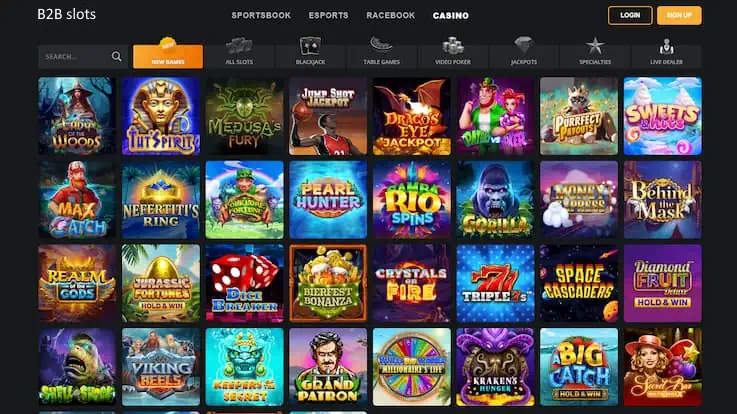
Leading Game Providers in the Asian Market: BGaming, Spadegaming, Betsoft
In Asia, brand recognition varies wildly. I'd avoid pushing a big European name like NetEnt as your flagship. BGaming offers modern mechanics and Asian-themed slots like "Aloha King Elvis," priced well for operators. Spadegaming is a heavyweight with dedicated Thai servers and content like "God of Fortune." Betsoft's cinematic "Slots3" series has a cult following, but their RTP models are often lower. Spadegaming holds more direct market access licenses in Southeast Asia than any of its Western competitors. That makes them a safer, more scalable choice for serious regional expansion.
What to Look for in a Robust Casino Platform
Choose a platform as you would a long-term business partner. My checklist focuses on core stability:
- Uptime SLA of 99.9% or higher, with penalties for breach.
- Real-time, granular reporting for player activity and finances.
- Modular bonus engine allowing custom rules and promotions.
- Built-in responsible gambling tools with spending limits.
- Multi-tiered admin roles with specific permission sets.
- API documentation that's actually usable, not a 500-page PDF.
I've walked away from platforms where the demo admin lagged with 100 test players. If the backend can't handle a demo load, it will buckle under real traffic. Always stress-test the back office.
Unlocking Potential with Casino APIs and Lobbies
A modern casino is built on its API. It controls everything from player registration to game launches. I measure a provider's tech by their API's latency and documentation quality.
| API Function | Target Speed | Critical For | My Benchmark |
|---|---|---|---|
| Player Login & Auth | < 1 second | First impression | Pragmatic Play (~0.8s) |
| Game Launch (Lobby to Spin) | < 3 seconds | Retention | Evolution (~2.1s) |
| Cashier Balance Update | < 2 seconds | Trust | Most aggregators (~1.5s) |
| Bonus Trigger & Apply | < 5 seconds | Promo satisfaction | Varies widely; test it. |
A slow game launch API directly increases your player churn rate. Always request sample endpoints and run timed tests before signing any casino contracts.
How Casino Contracts and Licensing Unlock Markets
The contract is your only real protection in this business. I've negotiated dozens. Key terms to fight for include a clear exit clause, data ownership guarantees, and a fixed revenue share percentage that doesn't inflate after year one. Never accept a platform license that restricts you from adding third-party game providers. A non-exclusive, white label agreement with a Curacao master license typically costs between €35,000 and €50,000 upfront. That license is your golden ticket to legally operate in dozens of markets, including parts of Asia.

FAQ
Why is localization so crucial for casino software in Asia?
It goes beyond simple translation. Asian markets like Thailand require local payment methods, culturally relevant game themes, and regional support. Without these, a platform will fail to gain trust or facilitate deposits.
What's the main benefit of using a casino aggregator?
It streamlines integration drastically. Instead of managing dozens of separate game provider APIs, you use one single feed, cutting technical setup from weeks to potentially a single day.
Which game provider is best for the Thai market?
Spadegaming holds a strong position due to its direct market access licenses in Southeast Asia. They offer dedicated Thai servers and locally themed content, which provides a more reliable operational foundation.
How much should I budget for a white label casino license?
Expect upfront costs between €35,000 and €50,000 for a non-exclusive white label agreement with a Curacao master license. This cost often excludes critical add-ons like payment gateway integrations.
What's the most critical API speed metric?
Game launch speed from lobby to spin is paramount. If this takes longer than 3 seconds, it directly increases player churn. Always request and test sample endpoints before committing.
Can a casino platform survive without local payment methods?
Highly unlikely. In markets like Thailand, failure to integrate local bank transfers and e-wallets can kill up to 70% of potential deposit volume, crippling a new operation within months.